• Skip to main content
  • Skip to secondary menu
  • Skip to primary sidebar
  • Skip to footer
Inside Philanthropy

Inside Philanthropy

Go beyond 990s.

Facebook LinkedIn X
  • Grant Finder
  • For Donors
  • Learn
    • Explainers
    • State of American Philanthropy
  • Articles
    • Arts and Culture
    • Civic
    • Economy
    • Education
    • Environment
    • Global
    • Health
    • Science
    • Social Justice
  • Places
  • Jobs
  • Search Our Site

Tapping Billions, a Young Donor and Her New Foundation Focus on Equity

Ade Adeniji | December 20, 2019

Share on Facebook Share on LinkedIn Share on X Share via Email
Banner for article Tapping Billions
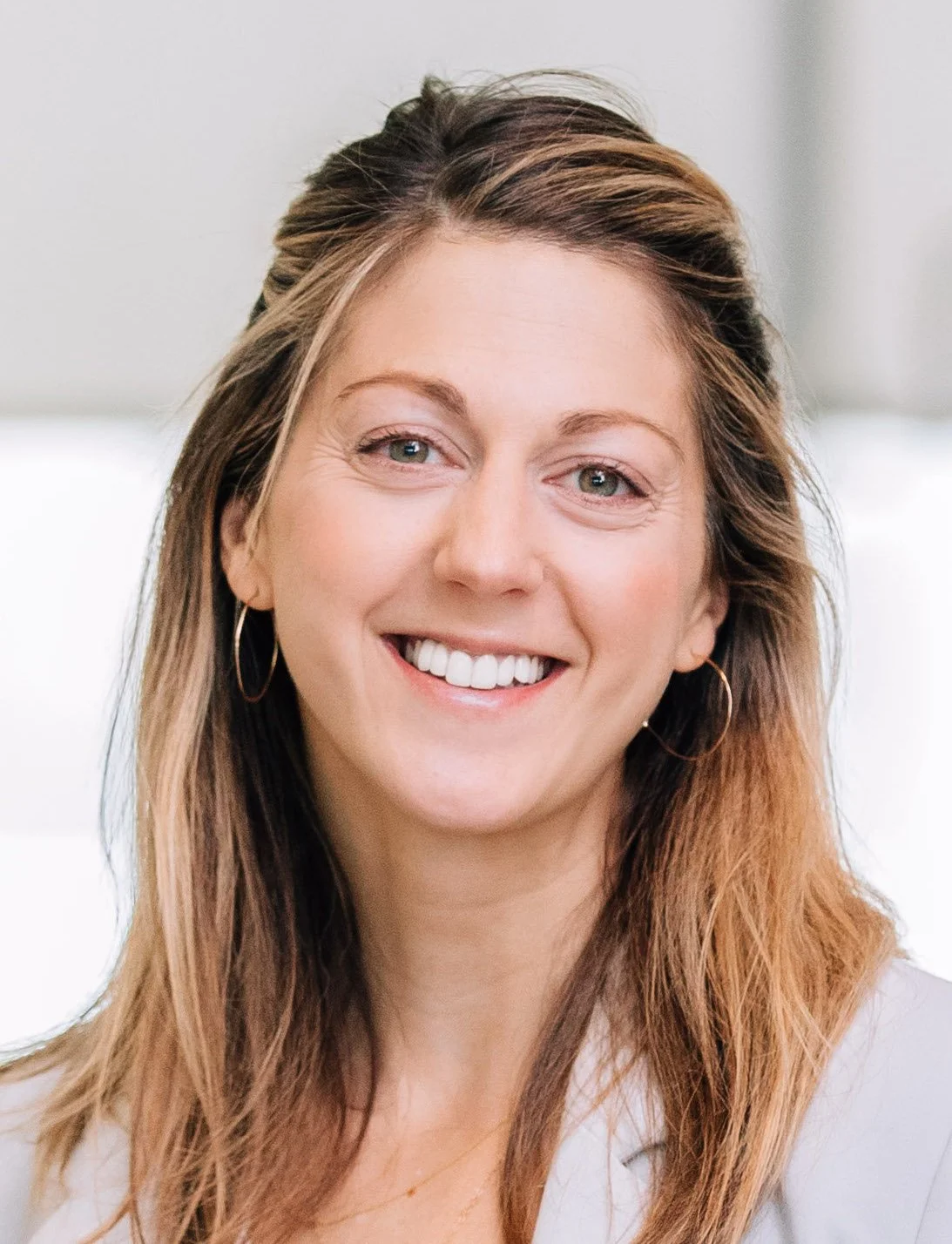
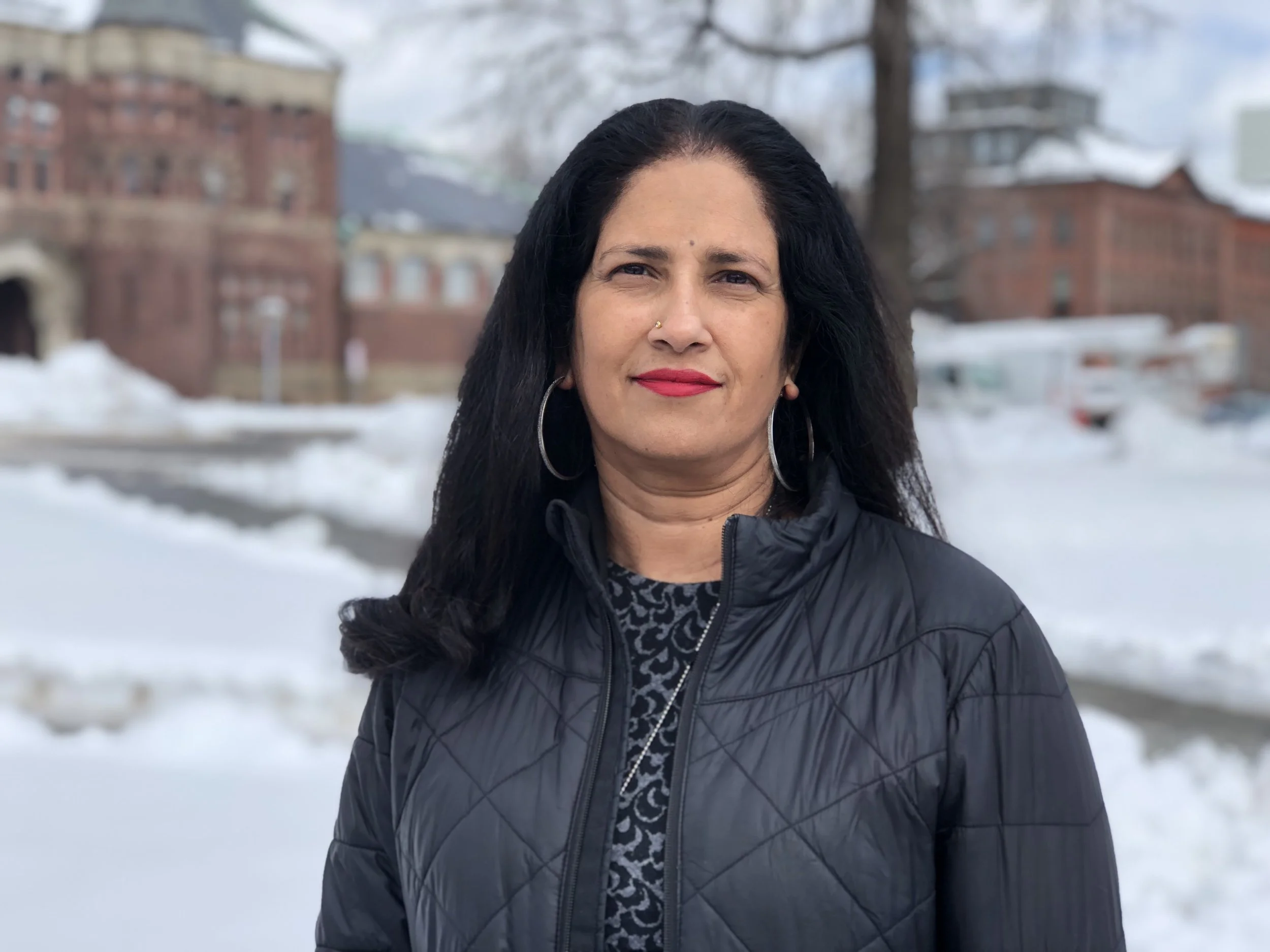
lawyer nicole shanahan

Raised in Oakland in a low-income Chinese-immigrant household, Nicole Shanahan graduated from the University of Puget Sound in 2007 and earned her J.D. from Santa Clara University School of Law. She worked as an intellectual property paralegal and patent specialist before launching the Palo Alto-based ClearAccessIP, a patent management and valuation company.

Shanahan, 34, also recently launched Bia-Echo Foundation, committing to invest $100 million over the next five years in three areas of focus—criminal justice reform, reproductive longevity, and a livable and healthy planet.

We often write about how a portion of the mega-rich are turning to philanthropy earlier than ever, and Shanahan is another example from Silicon Valley. And while Shanahan has been a relatively quiet donor up until recently, her turn toward significant giving is interesting. Indeed, there are not just millions but billions in play.

In 2018, Shanahan married Google co-founder Sergey Brin. The tech billionaire’s net worth stands at some $54 billion as of this writing. Inside Philanthropy readers might recall my rundown of Anne Wojcicki and her sisters’ giving. Anne was once married to Sergey, but when the two separated earlier in the decade, they both established their own foundations. Shanahan has engaged in philanthropy alongside her husband through the Sergey Brin Family Foundation, with grantmaking touching areas like education, women and girls, and Parkinson’s research. In a recent year, the foundation gave away approximately $42.6 million. Meanwhile, Shanahan launched Bia-Echo Foundation with about $20 million.

In an another post, I’ll dig into the larger story of Brin’s giving, which has been rising in recent years. But for now, I’ll focus on Bia-Echo and Shanahan, with whom I recently connected via email.

Personal Roots of Giving

In Oakland, Shanahan’s immigrant single mother was able to pay for groceries with food stamps and access healthcare through Medicaid. At one point growing up, Shanahan only had two T-shirts that fit. Through these experiences, though, Shanahan explains she learned at a very early age the value of strong social policy and charitable giving.

Shanahan’s interest in criminal justice reform stems in part from her ongoing work with Stanford CodeX as a faculty fellow beginning in 2014. She worked on the San Francisco DA’s blue-ribbon panel project on bias in policing, using computational methods to review police reports. “I realized the enormity of the failures of the criminal justice system, and growing up low-income in Oakland, this injustice hit home for me. I immediately knew I wanted to contribute to a solution,” she says.

Shanahan then founded the Stanford Smart Prosecution program, and in 2016, seeded the creation of the Stanford Computational Policy Lab, which continues the work on Smart Prosecution, as well as the work of Professor Sharad Goel. Working in the emerging discipline of computational social science, Goel heads up the lab, bringing together computer science, statistics and the social sciences. One project aims to foster more equitable algorithms for bail, and better understanding of how these tools can reduce jail populations without adversely affecting public safety.

Shanahan’s work in the criminal justice reform space is a good example of escalating philanthropy; she began by exploring an interest area, gaining knowledge and a deeper interest over time. And now, Shanahan is backing the cause with significant cash. I should note that normally, this trajectory would happen much later on—when a donor is mid- to late career.

However, Shanahan sees power in turning to philanthropy sooner rather than later: “The value of giving while you are early or mid-career is that you and your contemporaries are oftentimes already working at the cusp of innovation. There is also a sense of accountability when you are still in the workforce. When the people who are receiving funds from you see you getting stuff done as an operator, they are more likely to want to engage your advice and help beyond dollars. I think that exchange is key to successful giving.”

Setting Priorities

Shanahan says she’s particularly keen on the venture philanthropy model, and equity is a unifying theme across her three focus areas.

Another focus area, Reproductive Longevity and Equity, also has a story behind it. Shanahan says she was first introduced to the longevity space through Dr. Joon Yun, who enlisted ClearAccessIP to do a report on longevity-related intellectual property for the National Academy of Medicine. Around the same time, Shanahan discovered that she was not able to bank embryos because of a medical condition, and had other indicators of waning fertility, even though she was only 31 at the time. (Shanahan and Brin now have a child together).

What’s key for Shanahan is that these two fields—longevity and fertility—merge. Indeed, she considers it an important part of the equity puzzle. “Healthy female reproductive years are so limited. Just even the dismal amount of funding into fundamental research into female fertility presents a bias,” she tells me. Animated by these forces, in 2018, Shanahan made a $6 million gift through the foundation to the Buck Institute for Research on Aging, establishing the Center for Female Reproductive Longevity and Equality to study reproductive issues and help women become pregnant later in life.

Shanahan says that she wants to take a “narrative-changing approach” for the foundation’s newest focus area—Healthy Planet. “We hope to raise consciousness about the fragility of our planet, and believe that a healthy and livable planet promotes global equality and strong communities for future generations,” says Bia-Echo’s website. This part of its work is still in development.

Building a Foundation

To help Bia-Echo achieve its aims, Shanahan has tapped Christine Gulbranson and Wendy Lim, who serve as CEO and COO, respectively. Gulbranson was the first chief innovation officer for the UC System, and Lim worked for Yelp for a decade. They tell me that their core investment approach is to understand how best they can support the ecosystems in each of their grantmaking categories. They add that they know that no single organization is going to affect systemic change. Rather, they hope to foster strategic partnerships across multiple sectors and create new and innovative solutions.

Gulbranson and Lim are hitting the ground running and hope to see early results from their investments. Through their funding of the Global Consortium for Reproductive Longevity and Equality at the Buck Institute, they aim to galvanize scientists, researchers, investors and philanthropists in an area of historic underinvestment. And while Bia-Echo Foundation has committed to investing $100 million over the next five years, they expect the foundation to continue beyond this period.


Featured
Another Tech-Fueled, Multibillion-Dollar Foundation. Have You Even Heard of It?

Another Tech-Fueled, Multibillion-Dollar Foundation. Have You Even Heard of It?
AI Has Made Nvidia’s Founder a Centibillionaire. What Will That Mean for His Philanthropy?

AI Has Made Nvidia’s Founder a Centibillionaire. What Will That Mean for His Philanthropy?
What's Next for the Paul G. Allen Family Foundation?

What’s Next for the Paul G. Allen Family Foundation?
AI Is Here, for Better and for Worse. This Tech Funder Doesn’t Want to Leave It to the Marketplace

AI Is Here, for Better and for Worse. This Tech Funder Doesn’t Want to Leave It to the Marketplace
Google Gets Behind Guaranteed Income to Relieve Homelessness on Its Home Turf

Google Gets Behind Guaranteed Income to Relieve Homelessness on Its Home Turf
Merging Trust-Based Philanthropy and VC-Style Support to Help Communities Bloom

Merging Trust-Based Philanthropy and VC-Style Support to Help Communities Bloom
Why Craig Newmark Is Concerned — and Hopeful — for American Democracy

Why Craig Newmark Is Concerned — and Hopeful — for American Democracy
The Leader of This Growing West Coast Funder Is Zeroing in on the Promise and Perils of AI

The Leader of This Growing West Coast Funder Is Zeroing in on the Promise and Perils of AI
Elon Musk Sent Most of His Charitable Dollars in 2022 to a Brand-New Nonprofit: His New School

Elon Musk Sent Most of His Charitable Dollars in 2022 to a Brand-New Nonprofit: His New School
By the Numbers, Google Founders' Philanthropies Are Now Peers to Legacy Giants

By the Numbers, Google Founders’ Philanthropies Are Now Peers to Legacy Giants
Meet the Song Foundation: A Michigan Take on Silicon Valley Philanthropy

Meet the Song Foundation: A Michigan Take on Silicon Valley Philanthropy
Six Reasons Why Effective Altruism Isn't Going Anywhere

Six Reasons Why Effective Altruism Isn’t Going Anywhere
A Closer Look at the Philanthropy of First Wave Tech Billionaire John Morgridge and His Family

A Closer Look at the Philanthropy of First Wave Tech Billionaire John Morgridge and His Family
How a Transformative Educational Experience Led to a Tech Winner’s Huge Surprise Bequest

How a Transformative Educational Experience Led to a Tech Winner’s Huge Surprise Bequest
Can This Sustainability Challenge Help Revive a Struggling City?

Can This Sustainability Challenge Help Revive a Struggling City?
AI in Education? Salesforce Takes the Plunge

AI in Education? Salesforce Takes the Plunge
Recent Layoffs Raise Questions About the Future of Education Funding at CZI

Recent Layoffs Raise Questions About the Future of Education Funding at CZI
AI for the Planet: How One of the World's Biggest Tech Firms Is Backing AI-Powered Climate Science

AI for the Planet: How One of the World’s Biggest Tech Firms Is Backing AI-Powered Climate Science
Inside The Audacious Project: How the Billionaires’ Funding Collaborative Picks its Winners

Inside The Audacious Project: How the Billionaires’ Funding Collaborative Picks its Winners
Still an Apex Donor? What's Changing, and Staying the Same, About Jack Dorsey's Giving

Still an Apex Donor? What’s Changing, and Staying the Same, About Jack Dorsey’s Giving
AI Is Suddenly Everywhere, but Philanthropy Has Been Involved for Years. Here Are the Top Funders

AI Is Suddenly Everywhere, but Philanthropy Has Been Involved for Years. Here Are the Top Funders
A Global Philanthropic Competition to Save the Lives of Mothers and Babies

A Global Philanthropic Competition to Save the Lives of Mothers and Babies
Fair-Weather Friends? Progressive Nonprofits' Dangerous Dependence on the Liberal Rich

Fair-Weather Friends? Progressive Nonprofits’ Dangerous Dependence on the Liberal Rich
Facing Deep Regional Inequality, Silicon Valley Community Foundation Zeroes in on Early Childhood

Facing Deep Regional Inequality, Silicon Valley Community Foundation Zeroes in on Early Childhood
On the Ground with the Ballmer Group, One of LA's Leading Antipoverty Funders

On the Ground with the Ballmer Group, One of LA’s Leading Antipoverty Funders
Larry Page's Foundation Doubled in Size to Hit $6.7 Billion in Assets — Nearly All Giving Goes to DAFs

Larry Page’s Foundation Doubled in Size to Hit $6.7 Billion in Assets — Nearly All Giving Goes to DAFs
New Frontier: Philanthropy’s Role in Digital Mental Health

New Frontier: Philanthropy’s Role in Digital Mental Health
A Conversation with Caitlyn Fox, CZI’s Climate Lead and First-Ever Employee

A Conversation with Caitlyn Fox, CZI’s Climate Lead and First-Ever Employee
How the Ballmers Aim to Build and Diversify the Early Ed Workforce in Washington State

How the Ballmers Aim to Build and Diversify the Early Ed Workforce in Washington State
A Conversation With Sushma Raman, the New President and CEO of Heising-Simons Foundation

A Conversation With Sushma Raman, the New President and CEO of Heising-Simons Foundation

Enable JavaScript to continue

This site uses JavaScript to verify your account, display articles, and provide other features. Please enable JavaScript or allow scripts for Inside Philanthropy, then reload the page.

Chrome: Open Chrome Settings, then go to Privacy and security > Site settings > JavaScript, and select “Sites can use JavaScript.”
Full Chrome instructions

Safari: Open Safari Settings, then check the Security settings for JavaScript. Make sure JavaScript is enabled, then reload this page.
Full Safari instructions

Edge: Open Edge Settings, then go to Cookies and site permissions > JavaScript, and make sure JavaScript is allowed.
Full Edge instructions

Brave: Click the Brave Shields lion icon in the address bar and allow scripts for this site. If scripts are blocked, article access and account verification may not work.
Full Brave Shields instructions

Return to the home page

Filed Under: IP Articles Tagged With: Ballmer Group, Criminal Justice, Effective Altruism, Environment, Heising-Simons Foundation, Sergey Brin Family Foundation, Silicon Valley Community Foundation, Social Justice, Tech Philanthropy

Primary Sidebar

Find A Grant Square Banner

Receive our newsletter

Donor Advisory Center Banner

Philanthropy Jobs

Check out our Philanthropy Jobs Center or click a job listing for more information.

Girl in a jacket

Footer

Inside Philanthropy Logo
  • LinkedIn
  • X
  • Facebook

Quick Links


About Us
Advertising
Contact Us
FAQ
Help
Terms of Use
Privacy Policy
Accessibility

Become a Subscriber

Sign up for a single user or multi-user subscription.

Receive our Newsletter

© 2026 - Inside Philanthropy