• Skip to main content
  • Skip to secondary menu
  • Skip to primary sidebar
  • Skip to footer
Inside Philanthropy

Inside Philanthropy

Go beyond 990s.

Facebook LinkedIn X
  • Grant Finder
  • For Donors
  • Learn
    • Explainers
    • State of American Philanthropy
  • Articles
    • Arts and Culture
    • Civic
    • Economy
    • Education
    • Environment
    • Global
    • Health
    • Science
    • Social Justice
  • Places
  • Jobs
  • Search Our Site

What a Regional Foundation Is Doing to Graduate Kids From College

L.S. Hall | March 20, 2018

Share on Facebook Share on LinkedIn Share on X Share via Email
Banner for article What a Regional Foundation Is Doing to Graduate Kids From College
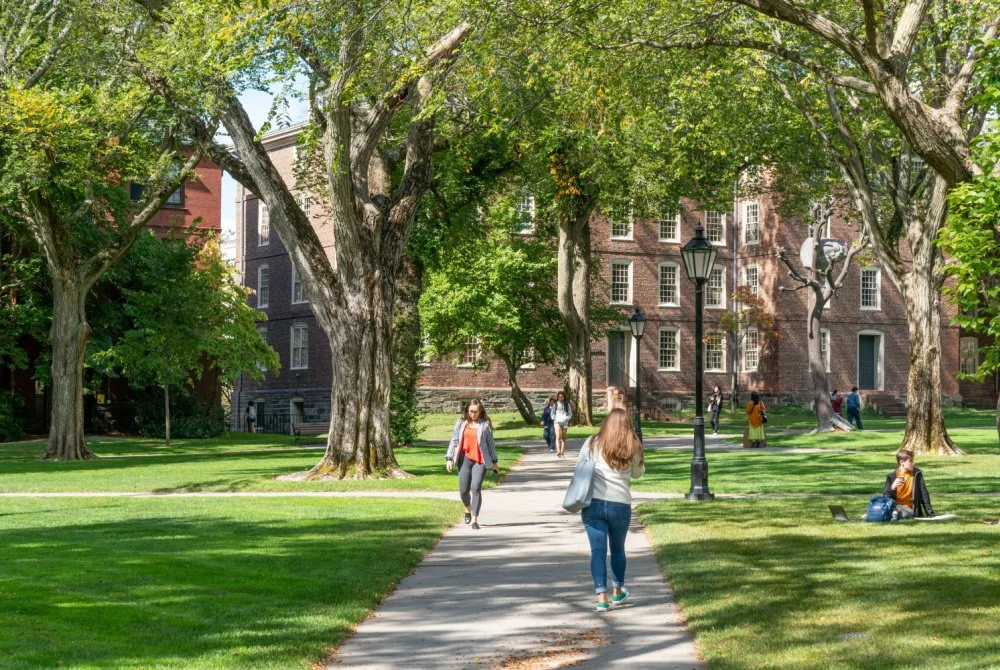
photo: Anna Jurkovska/shutterstock

Regular readers of Inside Philanthropy know how much attention we’ve given to the efforts by multiple funders to increase college completion rates. This challenge has moved increasingly to the fore amid the realization that helping more disadvantaged kids graduate from high school and enroll in college is no guarantee of upward mobility, since a great many of these young people never finish their degrees. 

Funders are coming at this problem from many angles. 

Just last week, we summarized the 2017 grantmaking activities of the Great Lakes Higher Education Corporation, which in that year, provided more than $70 million in grants to help college students stay on track toward graduation. These grants include emergency financial assistance and help with successfully completing required English and math courses during the critical first year of college. 

Related: This Top Funder of Higher Education Keeps Stepping Things Up

Great Lakes has certainly raised its profile and the scope of its grantmaking to increase college completion, but it is hardly alone in this space. A network of funders that includes Gates and Kresge has thrown its support behind the University Innovation Alliance (UIA), a collaborative network of universities researching and disseminating best practices for helping disadvantaged students persist and complete their degrees. The Michael and Susan Dell Foundation helps low-income and first-generation students fulfill higher education dreams through its Dell Scholars program.

The Daniels Fund is another player focused on college completion. The Colorado-based funder is not a new player in this arena, but its presence has been growing. In 2017, Daniels distributed nearly $56 million in grants and scholarships. This includes its signature program, the Daniels Scholarship program. Daniels has been awarding these scholarships since 2000, the year of the fund’s inception. The foundation began after the death of its founder, entrepreneur Bill Daniels, a pioneer in cable television.

While we’ve often noted the cultural and academic obstacles students can face in college, another challenge also looms large for many young people: finding the money to pay for school. That’s where Daniels comes in. 

The Daniels Scholarship Program provides scholarships for about 230 students in Colorado, Utah, Wyoming and New Mexico each year. This program and another scholarship program for non-traditional students account for about 30 percent of the fund’s grantmaking activity, according to a recent annual report. The Daniels Scholarship Program is not an academic scholarship, strictly speaking, but Bruce Wilmsen, vice president for media and community relations, states that scholarship recipients should demonstrate academic promise, as well as embody the following principles: strong character, leadership potential, a commitment to community service, and a well-rounded personality. 

Eligibility for a Daniels scholarship also requires financial need, as well as meeting certain minimum scores on the ACT or SAT. Reflecting Daniels’ geographic focus, recipients must be residents of Colorado, New Mexico, Utah or Wyoming. About half of Daniels scholars are first-generation college students, according to Wilmsen.

The selection process for Daniels scholars is competitive. The funder selects about 230 students a year, but Wilmsen said the foundation receives about 2,000 applications a year. The scholarship is a “last-dollar” program, secondary to other forms of financial assistance received by Daniels Scholars. After considering other forms of scholarships and financial aid, as well as work-study and family contributions, the Daniels Fund pays each scholar’s remaining costs, which vary from student to student.

While Daniels Scholars are from a four-state region, the assistance they receive from Daniels can be used at any accredited four-year college or university. If students attend a two-year college, they must be on a path to complete a bachelor’s degree. The Daniels Fund has partnerships with two dozen colleges and universities in Colorado, Wyoming, Utah and New Mexico. These partner institutions include multiple University of Colorado campuses, University of New Mexico, Eastern New Mexico University, University of Utah, and University of Wyoming. There is an added financial benefit to attending these and other partner schools because the Daniels Fund will cover the Expected Family Contribution (EFC) portion of the students’ expenses. Wilmsen said the majority of Daniels Scholars opt to attend partner schools.

While in college, Daniels Scholars must meet a series of requirements, including maintaining a minimum grade point average and fulfilling a work requirement. Wilmsen said the fund has a new requirement that students take their critical math courses within their first two years of school.

Daniels’ investment in these scholars is not, however, limited to writing a check. Daniels Fund staff serve as scholar relations officers, with whom the scholars maintain communication and provide updates on their progress. In addition, a network of program alumni act as mentors and provide peer-to-peer support for current Daniels Scholars. Through this network, Wilmsen said scholars have an additional point of contact for help and advice.  

This combination of financial assistance and ongoing personal support is showing success. According to Daniels Fund figures, about 75 percent of its scholars complete college in four years. Among one cohort, 80 percent completed in four or more years. These rates exceed the national average for all students—and are way above the college graduation rates for low-income students, which have averaged around 25 percent. 
Read More

What the Collapse of a Major HBCU Donation Tells Us About Structural Inequities in Philanthropy

What the Collapse of a Major HBCU Donation Tells Us About Structural Inequities in Philanthropy

Mellon Gives Another Boost to the Humanities in Higher Ed Amid Waning Student Interest

Mellon Gives Another Boost to the Humanities in Higher Ed Amid Waning Student Interest

From CZI to Carnegie: A Leader in Education Philanthropy Talks About Her New Role

From CZI to Carnegie: A Leader in Education Philanthropy Talks About Her New Role

Behind a Latina Donor's Big Gift for Critical Race Studies at UCLA

Behind a Latina Donor’s Big Gift for Critical Race Studies at UCLA

A Look at the Trellis Foundation’s Work to Reduce Barriers to Success for College Students

A Look at the Trellis Foundation’s Work to Reduce Barriers to Success for College Students

Universities Raised a Staggering Amount of Money Last Fiscal Year, Despite a Tepid Stock Market

Universities Raised a Staggering Amount of Money Last Fiscal Year, Despite a Tepid Stock Market

A Huge Gift to Cut Medical School Tuition Looks to Make a Dent in a Deep Systemic Problem

A Huge Gift to Cut Medical School Tuition Looks to Make a Dent in a Deep Systemic Problem

This Higher Ed Funder Recognized the Growing Crisis of Student Mental Health Over Ten Years Ago

This Higher Ed Funder Recognized the Growing Crisis of Student Mental Health Over Ten Years Ago

A Family Foundation’s Refreshingly Accessible Approach to Funding Research and Education

A Family Foundation’s Refreshingly Accessible Approach to Funding Research and Education

The Dollar Amounts Are Historic, But Here’s Why We’re Really Bullish About Two Recent HBCU Gifts

The Dollar Amounts Are Historic, But Here’s Why We’re Really Bullish About Two Recent HBCU Gifts

Culture Wars On Campus Are Raging, and Megadonors Are Key Figures on the Battlefield

Culture Wars On Campus Are Raging, and Megadonors Are Key Figures on the Battlefield

Ed Donors Take Note: Scholarships Have to Amount to More Than Just Feel-Good Stories

Ed Donors Take Note: Scholarships Have to Amount to More Than Just Feel-Good Stories

After a Trailblazing Career in Tech, a Donor Couple Boosts Black History, Higher Ed and More

After a Trailblazing Career in Tech, a Donor Couple Boosts Black History, Higher Ed and More

A Look Back at the Giving of Charlie Munger, Warren Buffett's Right-Hand Man

A Look Back at the Giving of Charlie Munger, Warren Buffett’s Right-Hand Man

A Closer Look at the Philanthropy of First Wave Tech Billionaire John Morgridge and His Family

A Closer Look at the Philanthropy of First Wave Tech Billionaire John Morgridge and His Family

What Does the Billionaire Donor Revolt at Ivy League Schools Mean for Higher Ed Philanthropy?

What Does the Billionaire Donor Revolt at Ivy League Schools Mean for Higher Ed Philanthropy?

Big Giving, Low Profile: Digging into the Philanthropy of the Billionaire Chan Family

Big Giving, Low Profile: Digging into the Philanthropy of the Billionaire Chan Family

Why This Major Antipoverty Funder Is Ramping Up Its Investment in HBCUs

Why This Major Antipoverty Funder Is Ramping Up Its Investment in HBCUs

“A More Even Playing Field.” How Would the End of Legacy Admissions Impact Alumni Giving?

“A More Even Playing Field.” How Would the End of Legacy Admissions Impact Alumni Giving?

The Wealthy Donors Behind the Assault on Affirmative Action

The Wealthy Donors Behind the Assault on Affirmative Action

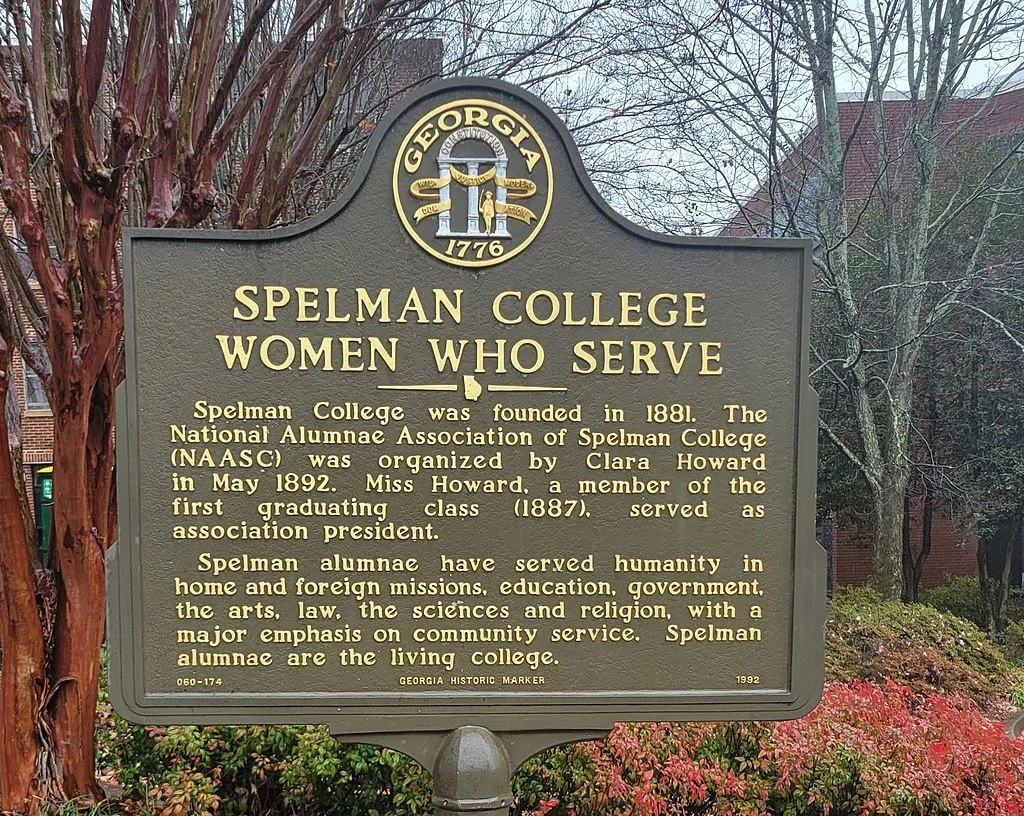
HBCU Moves: Seven Questions for Mildred Whittier, Spelman College Alumna and Fundraiser

HBCU Moves: Seven Questions for Mildred Whittier, Spelman College Alumna and Fundraiser

Don't Leave Home Without It: A Quick Look at Ken Chenault's Philanthropy

Don’t Leave Home Without It: A Quick Look at Ken Chenault’s Philanthropy

Nine Ways Funders Can Increase Diversity in Higher Ed in a World Without Affirmative Action

Nine Ways Funders Can Increase Diversity in Higher Ed in a World Without Affirmative Action

Who Are the Top Black Donors to HBCUs?

Who Are the Top Black Donors to HBCUs?

Charles Barkley Made a Big Commitment to Diversity in Higher Ed. What Drives His Giving?

Charles Barkley Made a Big Commitment to Diversity in Higher Ed. What Drives His Giving?

This Billionaire Heiress and Her Husband Have a Huge Philanthropic Footprint in Their Hometown

This Billionaire Heiress and Her Husband Have a Huge Philanthropic Footprint in Their Hometown

A Philanthropic Push to Diversify the Ranks of Researchers in Economics and Other Social Sciences

A Philanthropic Push to Diversify the Ranks of Researchers in Economics and Other Social Sciences

This Megadonor Couple’s Latest Gift to a Favored University Follows Past Criticism

This Megadonor Couple’s Latest Gift to a Favored University Follows Past Criticism

Eight Questions for Jacob Fraire, President of ECMC Foundation

Eight Questions for Jacob Fraire, President of ECMC Foundation

Philanthropy Contributes to “Wealth Stratification” in Higher Ed. Can it Help Close the Gap?

Philanthropy Contributes to “Wealth Stratification” in Higher Ed. Can it Help Close the Gap?

Enable JavaScript to continue

This site uses JavaScript to verify your account, display articles, and provide other features. Please enable JavaScript or allow scripts for Inside Philanthropy, then reload the page.

Chrome: Open Chrome Settings, then go to Privacy and security > Site settings > JavaScript, and select “Sites can use JavaScript.”
Full Chrome instructions

Safari: Open Safari Settings, then check the Security settings for JavaScript. Make sure JavaScript is enabled, then reload this page.
Full Safari instructions

Edge: Open Edge Settings, then go to Cookies and site permissions > JavaScript, and make sure JavaScript is allowed.
Full Edge instructions

Brave: Click the Brave Shields lion icon in the address bar and allow scripts for this site. If scripts are blocked, article access and account verification may not work.
Full Brave Shields instructions

Return to the home page

Filed Under: IP Articles Tagged With: Alliance for Aging, ECMC Foundation, Education, Front Page - More Article, Front Page Most Recent, Higher Education, Mellon Foundation, Michael and Susan Dell Foundation, Mountain States

Primary Sidebar

Find A Grant Square Banner

Receive our newsletter

Donor Advisory Center Banner

Philanthropy Jobs

Check out our Philanthropy Jobs Center or click a job listing for more information.

Girl in a jacket

Footer

Inside Philanthropy Logo
  • LinkedIn
  • X
  • Facebook

Quick Links


About Us
Advertising
Contact Us
FAQ
Help
Terms of Use
Privacy Policy
Accessibility

Become a Subscriber

Sign up for a single user or multi-user subscription.

Receive our Newsletter

© 2026 - Inside Philanthropy