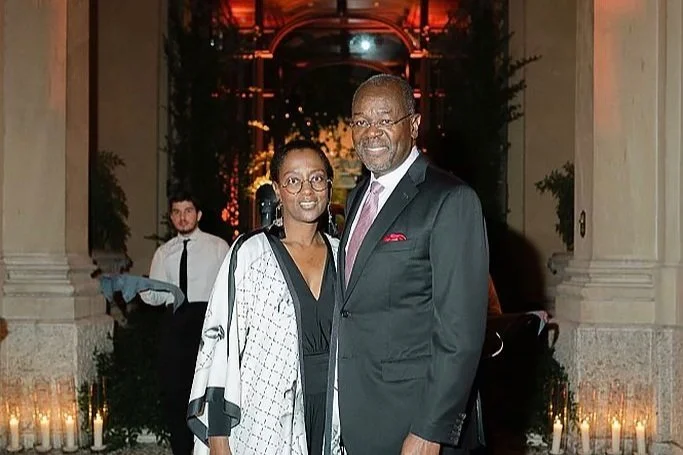
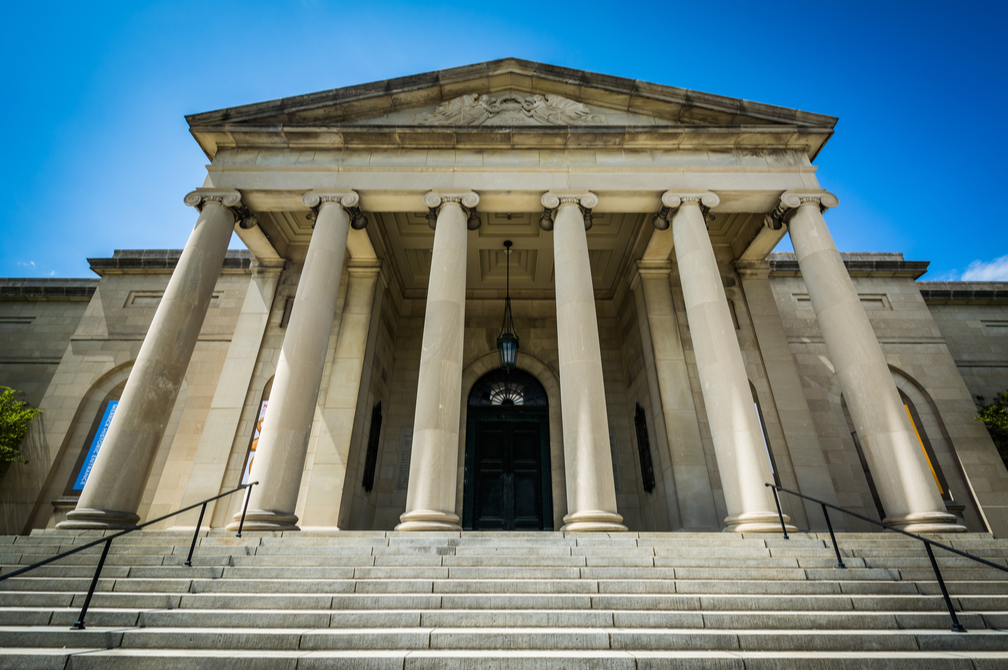
Eddie C. and C. Sylvia Brown’s $3.5 million gift to the Baltimore Museum of Art (BMA) to endow the position of chief curator may not seem particularly large by today’s standards of museum mega-giving, but it’s nonetheless important.
At a time when arts funders are accelerating efforts to boost racial equity, it’s the latest gift from a couple that has made it a priority to expand the BMA’s presentations and collections of works by African Americans. The gift comes as funders look to diversify the upper echelons of museums’ management ranks, and it’s going to an institution that has embraced this goal. The person who holds the position of the newly endowed Eddie C. and C. Sylvia Brown Chief Curator is a woman of color, Asma Naeem, who joined BMA last year.
“We have always been compelled and inspired by the depth and interest of the BMA’s curatorial program,” the Browns said in a statement. “In recent years, the museum’s commitment to excellence has been joined with a vision to examine and present a more fulsome picture of art history, giving a platform to those artists that have previously been underrepresented or left entirely out of our cultural dialogues. With the appointment of Dr. Naeem and the exciting exhibitions and initiatives to come, this seemed the perfect moment to expand our support for the museum and for the important role of chief curator.”
I’ll explore how the gift dovetails with the museum’s ongoing efforts to diversify its collections and staff in a moment. But first, let’s take a closer look at the donors behind the gift.
Prominent Philanthropists of Color
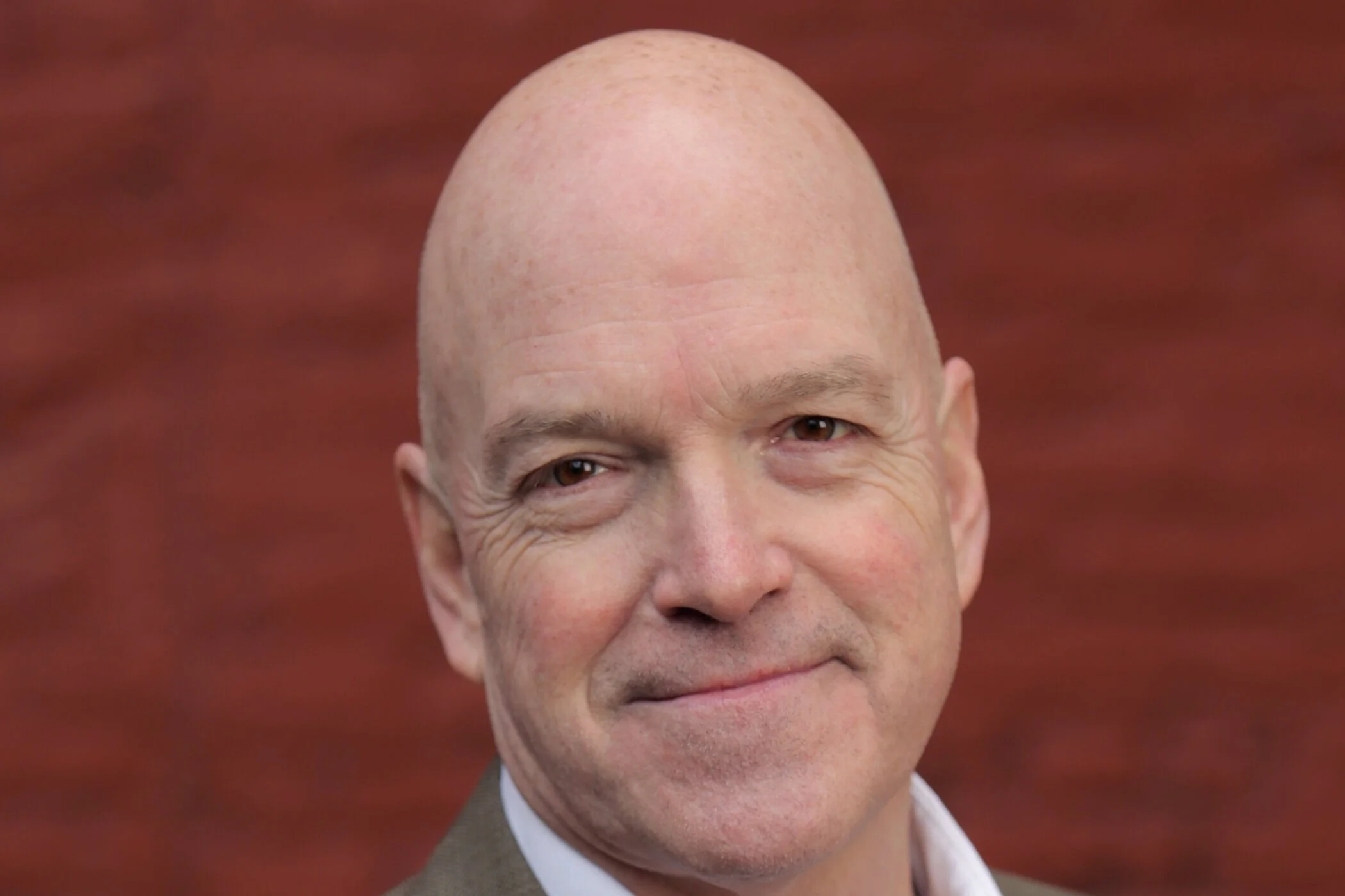
One of Inside Philanthropy’s Top 20 Philanthropists of Color, Eddie C. Brown was born in poverty in rural Florida and attended Howard, New York University, and Indiana University. He is the founder, chairman and CEO of the investment management firm Brown Capital Management, Inc. in Baltimore.
The Browns established the Eddie C. and C Sylvia Brown Family Foundation at the Baltimore Community Foundation in 1994. It addresses needs in the areas of health, the arts and K-12 education. The family’s philanthropy is laser-focused on Maryland and accepts proposals via the Baltimore Community Foundation.
“I think it’s really incumbent upon [those of] us who have achieved some modicum of success to make it our business to mentor and to help uplift,” Brown told CNN back in 2016. “It’s a slow process. It’s a gradual process, but we have to reach back, take someone by the hand, show them the way.”
The Browns have been actively involved with the BMA since 1997. They have each served for many years on the board of trustees, founded the museum’s Collectors Circle Fund for Art by African Americans with a challenge gift of $150,000, and supported the 2012 reinstallation of the BMA’s Contemporary Wing. The Browns also provided support to the Everyman Theatre and Maryland African American Museum Corporation with the goal of bolstering the visibility of black Americans in the arts.
According to ArtNet, BMA’s new Eddie C. and C. Sylvia Brown Chief Curator position is one of the few curatorial positions in the United States named for an African American couple.
“A New Era of Heightened Consciousness”
The Browns’ gift comes less than a year after the BMA deaccessioned works by white male artists in an effort to diversify its collection. Proceeds from the sale of seven works by Andy Warhol, Robert Rauschenberg and Franz Kline, among others, were put toward the acquisition of 23 new works by underrepresented artists.
“Museums are entering a new era of heightened consciousness of incomplete histories and biases that must be addressed,” BMA president Christopher Bedford said at the time. “By moving towards equitable representation and historical accuracy in our collection, we aspire to become a better reflection of our Baltimore community and lead fruitful dialogue on future museum practices amongst our peers. This group of acquisitions is just the beginning.”
I explored this idea of museums further diversifying their collections late last year when the Roy Lichtenstein Foundation made a $5 million gift to enable the Smithsonian’s Archives of American Art to create an endowment to process and digitize material on art and artists from “historically underrepresented groups” in U.S. museum collections. These groups include African Americans, Asian Americans, Latinos, Native Americans and women.
Again, the dollar amount wasn’t particularly staggering, but the symbolism was potent, especially when one considers how slowly things tend to develop in the curatorial world. Museums, by definition, aren’t known for their agility. Fortunately, they are being pushed along by two external forces.
The first is funders like the Browns and artist-endowed foundations like those representing Lichtenstein, Joan Mitchell, and many others. We’ve written extensively about how funders are nudging “legacy institutions” toward equitable access, more impactful community outreach, and social justice-oriented programming. Not coincidentally, BMA’s Bedford stressed the importance of “having philanthropic leadership within the community whose values are also commensurate with those emerging values of the institution.”
The second force is the global art market. At an auction at Christie’s last November, works from five African-American artists, two of them living, hit new highs. One painting, “Cultural Exchange” by Robert Colescott, the first African-American to represent the United States at the Venice Biennale, sold for $912,500, nearly triple his previous record. The sales, according to Scott Reyburn and Robin Pogrebin, writing in the New York Times, “signaled a new inclusivity in the art world, driven by a generational shift toward artists who have been out of the mainstream,” particularly nonwhite and female artists.
Diversifying the Ranks
In justifying BMA’s decommissioning of white artists, Bedford has been vocal about the necessity of ensuring that museums reflect the population of the cities in which they are located. Though the city of Baltimore is 63.7 percent black, according to 2010 census data, its flagship contemporary museum owns relatively few artworks by African-American artists.
Funders like the Ford Foundation, the Walton Family Foundation and the Andrew W. Mellon Foundation have made the same argument when pushing for greater diversity in museum staff and upper management. Back in January, Mellon published a series of case studies reporting on art museums that have been successful in their diversity, equity and inclusion efforts, offering lessons and best practices for others in the field. Lessons include “broaden job qualifications with a spirit of inclusion,” “develop strong mentoring programs,” “diversify the board” and “pay all interns.”
The BMA already boasts a particularly diverse cadre of curators. A specialist in American art and contemporary Islamic art, Naeem came to the museum from the Smithsonian National Portrait Gallery, where she served as the curator of prints, drawings and media arts. She currently leads the BMA’s team of curators, registrars and conservators, and will be responsible for overseeing its collection of approximately 95,000 artworks.
Commenting on his recent gift, Brown told the New York Times, “We see this endowment for chief curator as being a very significant statement, especially naming a person of color. That really appealed to us.” The BMA also named two additional curators last August: Andaleeb Badiee Banta as senior curator of prints, drawings and photographs; and Virginia Anderson as curator and department head of American art.
BMA director Christopher Bedford synthesized the essence of the Browns’ gift, saying the museum was heartened by the couple’s “active participation in the ongoing evolution of the BMA, as we take systematic steps to alter what diversity can and should mean within a museum. Shifts in curatorial and programmatic priorities are crucial, but equally important is the makeup and structure of our leadership.”